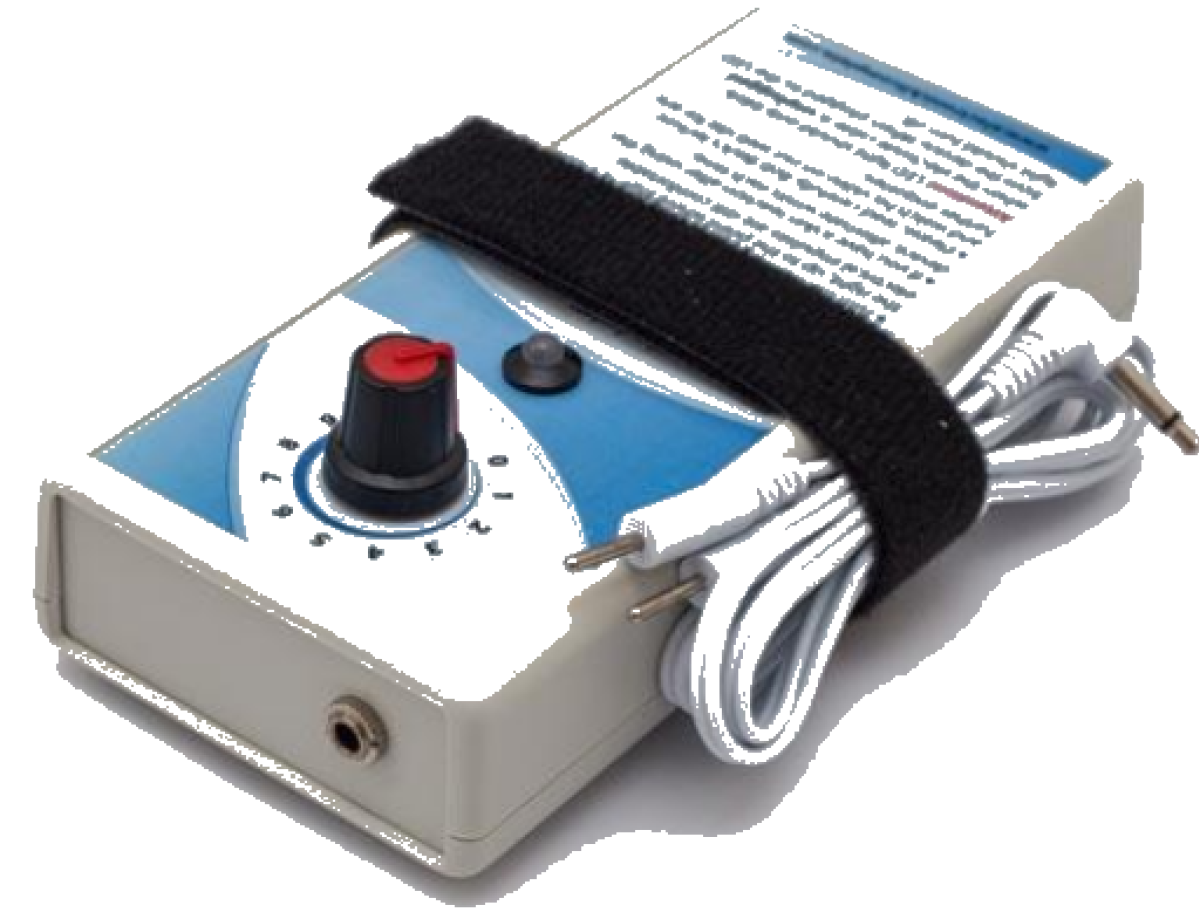
Electromagnetic therapy device and methods
Electricity has been used for medical treatment throughout history. In a series of articles, I will present summaries of interesting patents that have been filed with the United States Patent Office.
Patent: US8412328B2
Link: https://patents.google.com/patent/US8412328B2/en
1. Purpose and Technical Field
The patent relates to electromagnetic field–based therapy applied to living tissue. It focuses on non-contact induction of electrical currents in the body using radio-frequency (RF) / pulsed electromagnetic fields (PEMF) to influence biological processes associated with pain, inflammation, and tissue healing.
The invention sits at the intersection of:
-
RF engineering
-
Inductive coupling
-
Wearable / disposable therapeutic devices
-
Bioelectromagnetics
2. Fundamental Concept
Instead of passing current through electrodes on the skin, the device:
-
Radiates an electromagnetic field
-
Which inductively induces alternating electrical current inside tissue
-
Without conductive contact and without penetrating the skin
The patent emphasizes that high-frequency induction allows current to enter tissue more effectively than low-frequency stimulation alone.
3. Device Architecture
The disclosed device is self-contained, lightweight, and portable, often intended for single-use or extended wear.
Core components:
-
Electromagnetic field generator
-
Includes an RF oscillator and driver
-
-
Antenna
-
Radiates the electromagnetic field
-
Multiple geometries are described (loops, PCB traces, annular forms)
-
-
Power source
-
Typically a low-voltage DC battery (< ~10 V)
-
Rechargeable or disposable
-
-
Activator
-
Switch or trigger that starts operation
-
Can be one-time activation for lifetime operation
-
-
Control / logic circuitry
-
Controls pulse timing, duty cycle, indicators
-
-
Optional elements
-
RF feedback circuit (confirms radiation)
-
Visual / tactile / audible indicators
-
Deflector or magnetic shield to direct energy into tissue
-
The entire assembly can be encapsulated to protect against moisture, dust, static, and environmental exposure.
4. Delivery Formats
The device is designed to be embedded in or attached to:
-
Adhesive patches
-
Bandages, pads
-
Braces, wraps, straps
-
Casts or post-operative supports
This design is intended to maximize compliance and allow continuous, long-duration treatment.
5. Operating Parameters (Representative Values)
The patent repeatedly stresses low power, long duration rather than high intensity.
Frequency:
-
Common carrier frequency: 27 ± 0.5 MHz (e.g., 27.1 MHz)
-
Broader range mentioned: ~3–30 MHz
Pulsing (PEMF behavior):
-
RF carrier is pulsed
-
Example:
-
Pulse duration: ~100 microseconds
-
Pulse repetition rate: ~1000 Hz
-
Duty cycle: ~8–10%
-
Power:
-
Average available radiated power: < ~1 milliwatt
-
Peak available radiated power density: < ~100 µW/cm² at tissue surface
The low duty cycle and low power density are intended to:
-
Prevent tissue heating
-
Allow therapy over days or weeks
6. Mechanism of Action (as described)
The patent proposes the following chain:
-
RF field radiated by antenna
-
Inductive coupling produces alternating current in tissue
-
Biological nonlinearities (e.g., cell membranes acting like rectifiers) convert parts of this signal into low-frequency electrical potentials
-
These low-frequency potentials:
-
Influence cellular communication
-
Affect ion movement, membrane behavior, and biochemical signaling
-
-
Resulting effects are described as:
-
Reduction of inflammation
-
Reduction of edema
-
Reduction or elimination of pain
-
Promotion of tissue repair
-
Importantly, the patent emphasizes that membrane capacitance allows induced RF currents to enter cells more efficiently than purely low-frequency stimulation.
7. Depth and Localization
-
The device is claimed to induce therapeutically relevant currents at depths of ≥ 2 cm, with some embodiments claiming 3–6 cm
-
Localization is achieved by:
-
Small antenna size relative to wavelength
-
Near-field dominance
-
-
This minimizes far-field radiation and interference.
8. Enhanced Antenna Design
A significant technical contribution is an “enhanced antenna” concept:
-
A wire wound around an annular (ring-shaped) magnetic or ferrite core
-
The winding increases magnetic flux density
-
This makes a compact antenna behave like one with a larger effective diameter
-
Result:
-
Greater induced current
-
Deeper and wider tissue penetration
-
The design also minimizes magnetic exposure to the battery and electronics.
9. Methods of Use (Claims Perspective)
The patent claims multiple method categories:
-
Inducing electrical current in tissue without electrodes
-
Treating pain-related and inflammatory conditions
-
Operating the device at specific locations on the body
-
Using pulsed fields with controlled duty cycles
-
Combining RF induction with:
-
Dielectrophoresis (movement of polar molecules)
-
Iontophoresis (directed ion movement)
-
Some embodiments describe placement at specific anatomical or acupuncture-related points to enhance therapeutic response.
10. Scope of Claimed Applications
The description lists a very broad range of possible conditions, including:
-
Musculoskeletal pain and joint disorders
-
Soft tissue injuries and inflammation
-
Post-operative recovery
-
Dental pain
-
Neurological and systemic conditions
From a patent-analysis standpoint, this section mainly serves to:
-
Broaden claim applicability
-
Demonstrate general utility of the technology
The core invention, however, remains:
A low-power, wearable RF/PEMF device that non-contact inductively induces electrical currents in tissue for therapeutic purposes.
11. Key Takeaway (Condensed)
This patent protects:
-
A specific combination of RF frequency, pulsed operation, antenna design, and wearable form factor
-
For non-contact electrical stimulation of tissue
-
Emphasizing low power, long duration, localized induction, and user compliance